I've been following Lisa Bonchek Adams for quite some time. She's a patient advocate and cancer truth-teller, discussing the details of her ongoing ordeal with stage 4 breast cancer in an open and honest way. I found her shortly after my own diagnosis, when I was confused and disoriented, having stumbled into a world that no longer made sense to me. People like Lisa are important for several reasons. Let's make a list.
1.) They point the way for cancer patients. According to the American Cancer Society, an estimated 1,660,290 people were diagnosed with cancer in 2013, roughly 72,000 of them were young adults, or people aged 15-39. I was diagnosed at 25. I had no idea what to do. Immediately, I switched into handler mode, but quickly lost momentum and crashed into a sea of depression. There isn't a lot you can do, lost and alone, to help yourself in the midst of a crisis. Part of a healthy recovery includes a strong support network. People like Lisa provided that for me, as I took to social media to commiserate and learn from those who had gone before me.
2.) They point the way for the rest of us. Having cancer is awful. But it teaches you things. If you listen long enough to someone who has the disease, they might just convince you of what's really important in life, and you might just become a happier, healthier individual for it.
3.) These stories must be heard. They contain hard truths. Death, suffering, grief, depression, and the macabre are all realities in this life. To ignore the truth means to become less adjusted and more easily taken in by falsehoods. There are a lot of falsehoods when it comes to cancer. Most everyone gets it wrong. It's hardly ever represented truthfully, because the truth is too painful for the culture of ignorance we've created. In one of my first posts, I discuss this idea in detail. You can read it here.
In a recent twist on Lisa's story, two op-eds were published by Emma and Bill Keller. Emma's ran in the Guardian (since pulled), and Bill's ran in the New York Times. Emma suggested that Lisa's approach to disseminating information revolving her struggle was offensive. Bill backed her up when the public outcry delivered a swift backlash. There's a great piece summarizing the whole incident making the rounds. It was written by Megan Garber and ran in the Atlantic. You can read that here, complete with featured tweets from Jeopardy record-holder Ken Jennings and cancer patient advocates.
The question here is how we, as a society, would like to operate. We can certainly choose to waltz through life peeking out from the wool over our eyes in some misguided attempt to preserve innocence. That's the route the Kellers have chosen. They're very adamant about the terminally ill keeping quiet, not ruining it for the rest of us. Because the rest of us will surely never die. Suffering will never touch anyone but Lisa Bonchek Adams, so let her do her suffering somewhere soundproof. It's my firm belief that looking away never helped anyone, and the only way to move forward on an issue is to have an open and honest conversation about it. And that's exactly what Lisa has been doing all along. If cancer ever kills me, you can be sure I won't go quietly.
Showing posts with label Cancer in the Media. Show all posts
Showing posts with label Cancer in the Media. Show all posts
Monday, January 13, 2014

Friday, January 10, 2014
Upcoming Interview With CRI
I had an interview recently with the Cancer Research Institute, the leading advocacy group for immunotherapy research, about my experience with the treatment and my life since. I won't spoil anything, but in my completely objective and unbiased opinion, I think it may be the greatest interview since Frost/Nixon.
I kid. But it's still a worthwhile read. In it, I talk about my approach to life after cancer, my relationships with those important to me, and what I'm trying to do with my life now that it's been given back to me. It's not a bad little tale, mine. And it reminds me every day to try my best to realize all of the lofty goals that popped into my head immediately after I was diagnosed. Most of them were common sense, but things that still seemed so impossible to take action toward. That is, until the threat of impending death forces your hand. When you realize you have a very concrete deadline to accomplish whatever it is you believe you're here for, you start working a little harder to get it done. In my case, spending time with those closest to me, helping out as much as I can to make the world a little better than it was when I got here, and living life on my own terms are what's important. There are many specifics involved in each of those, but we'll save that for another post.
The interview will run in print to subscribers. And anyone can see the extended interview and extra pictures from the shoot on CRI's website. I'll let everyone know when it's up. Happy reading.
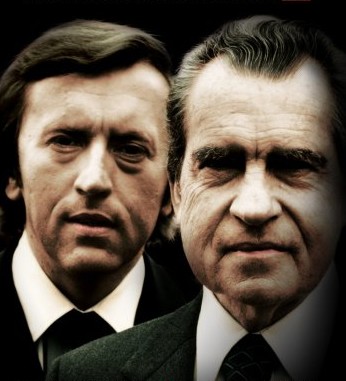 |
| When a cancer survivor does it, it's not a crime! |
I kid. But it's still a worthwhile read. In it, I talk about my approach to life after cancer, my relationships with those important to me, and what I'm trying to do with my life now that it's been given back to me. It's not a bad little tale, mine. And it reminds me every day to try my best to realize all of the lofty goals that popped into my head immediately after I was diagnosed. Most of them were common sense, but things that still seemed so impossible to take action toward. That is, until the threat of impending death forces your hand. When you realize you have a very concrete deadline to accomplish whatever it is you believe you're here for, you start working a little harder to get it done. In my case, spending time with those closest to me, helping out as much as I can to make the world a little better than it was when I got here, and living life on my own terms are what's important. There are many specifics involved in each of those, but we'll save that for another post.
The interview will run in print to subscribers. And anyone can see the extended interview and extra pictures from the shoot on CRI's website. I'll let everyone know when it's up. Happy reading.
Tuesday, November 5, 2013
Another October Down, Yet Cancer's Still Around
Now that another October is in the books, the pink's all been stuffed away and will be gathering dust until fall of next year. While October's awareness campaigns are important, it's equally important to remember a few key points.


1.) Pinkwashing is still a huge problem. Make sure to do your homework. A lot of organizations flash the pink and expect you not to ask questions. There's a lot of questionable people out there who engage in questionable business practices. Be careful and pay attention. Be certain you're donating to a cause, and that the majority of your money is going to said cause, and isn't serving to inflate someone's wallet instead. This is true of all charitable donations. Charity Navigator is a great resource that can help you find out which organizations are worthy of your money. And there are resources available that deal specifically with pinkwashing, like Think Before You Pink.
2.) Even legitimate fundraising attempts don't always target the right areas. Fighting breast cancer is a great cause, but as others have pointed out, the funds raised in October overwhelmingly go toward funding prevention and treatment for those in low-risk categories, and leave the majority of patients high and dry. Metastatic disease benefits only marginally from the month's fundraising campaigns, which isn't the most logical, since metastasis is what actually kills people.
3.) Cancer doesn't end with breast cancer. Here's a fact that I'll bet most people don't know: lung cancer is the leading cause of cancer deaths in women. In fact, lung cancer is responsible for the deaths of more women annually than breast cancer, ovarian cancer, and uterine cancer combined. While I'm happy to report that breast cancer is pulling in tremendous support from all corners, it's upsetting to realize this fact, and even more upsetting to have to point it out. Cancer really shouldn't be so isolationist. It's important to create an atmosphere where all of us have the same access to treatment, support, and the benefits of extensive fundraising campaigns.

Cancer sucks, period. It destroys lives, rips apart families, and takes people for the proverbial ride. It's a disgusting truth that there are those in the world who would use it for personal gain. But it's happening, and awareness months are no exception. Be vigilant when donating, and know that it's worth the extra fifteen minutes to research the facts behind the cause. At the very least, look for infographics that provide financial breakdowns like this one from the American Cancer Society.

Happy donating, and let's kick cancer's ass all year-round.
Image credits: Middle -- Leading Cause of Cancer Deaths (2007), via Junk Charts; Bottom -- Where Does Your Money Go? via the American Cancer Society.
Tuesday, April 9, 2013
Supreme Genetic Overlords to Hear Case About Genetic Slavery
I get the feeling not many people are aware of the case coming before the Supreme Court next week. At least, I hope that's the reason there isn't more of an uproar about it. Public outcry was loud and boisterous when the internet was at risk -- when SOPA was on the table. But I haven't yet heard anyone outside of the breast cancer community talk about the Gene Patent case with any gusto. If you are aware of this case and aren't upset about its implications but were upset about SOPA, it's time for a public shaming. You are basically saying you care more about sifting through pictures of illiterate cats than you do about private industry owning 20% of your body.
It's difficult for me to collect my thoughts long enough to write about the idea of gene patenting, because it's so completely absurd. But I'll do my best to sort through it. We'll start with what actually qualifies as intellectual property and what doesn't. Due to recent circumstances in my own life, I've become somewhat of an expert on the topic. First off, only physical, man-made material is subject to intellectual property law. Ideas, thoughts, topics of interest, archetypes, stereotypes, etc., are not. Neither are naturally-occurring substances. I couldn't go out and patent a type of tree, for instance. Disclaimer: Please make sure if you are seeking legal advice for anything related to intellectual property law, that you don't listen to me. I'm not a legal professional, I'm just a very annoyed third party.
Medical research has a bitter history with bumping up against the acceptable limits of intellectual property law. Probably 90% of all articles about this upcoming case highlight the work of Jonas Salk and the polio vaccine he developed. I've never done any in-depth research on the man, but it seems as though (from an outside perspective) that he was about as benevolent as they come. The vaccine he created, for example, was subject to patent law. It was an engineered substance manufactured through many hours and labor and research, consisting of a unique formula invented by Salk in his laboratory. What's most miraculous about the man, and what even extends beyond the fact that he cured the major disease of his time, is his decision not to patent his vaccine. When asked for the rationale behind his decision, he famously said, "There is no patent. Could you patent the sun?"
Well, you could, according to the defendant in this case, Myriad Genetics, as long as you isolate it. And since the sun looks plenty isolated to me, I'm going to go ahead and snatch that up. Any time you go outside after today, you're going to owe me a lot of money. But I digress. Like I said earlier, as a general rule, naturally-occurring substances and living things are not subject to IP law. Viruses can't be patented, because they're alive and naturally-occurring. But vaccines that use viruses in their formulas can be patented. Even genetically engineered viruses can be, and are, patented. As long as the patent includes a material invention that isn't a derivative of a previous invention, it's legal. A modified form of anything organic can be patented, but the original thing itself cannot be. This makes it so that several people can be researching a cure for AIDS at the same time, for example. The AIDS virus can't be patented, but the unique research and therapies manufactured by various research teams can be. Therefore, until now, it's generally been agreed upon that nothing organic could be patented unless significant work has been done to create a new, previously nonexistent substance. Biotech companies have been ignoring this rule for years, though. Now it's caught up with them, and the Supreme Court will make the final decision about whether or not organics are subject to patent law. Myriad is arguing that the physical act of isolating genes allows them to patent the genes they isolate. Granted, I don't know much about what it takes to isolate a gene, but I don't much care either. I could isolate a rhesus monkey from its friends, but I'd probably be met by uproarious laughter if I told people I intended to patent it. If this argument holds, you could patent anything, as long as you do the work to get that thing by itself. Fair warning to the next girl I take out to a nice sushi dinner and thought-provoking film; consider yourself patented, sweetheart.
What makes this case particularly alarming, and why it's coming to a head right now, is that Myriad Genetics currently holds the patents to the two BRCA genes -- the genes heavily linked to an increased risk of breast cancer in women. Keep in mind that there are several genes linked to an increased risk of other cancers that are also patented. What this means, at a very basic level, is that Myriad Genetics controls every single thing associated with the BRCA genes. If you want to be tested to see if you're at an increased risk of breast cancer, guess who gets your money? If you want to be cured of breast cancer sometime in the future through emerging genetic therapies, guess who will be getting paid for that? And since no one else is allowed to set foot in the BRCA arena, they get to charge whatever they want. This keeps the costs of testing very high and inaccessible to most people. I've looked into genetic mapping once myself, not for breast cancer, obviously, and found it to be very expensive. A large part of the cost can be attributed to companies that own the parts of your body you're looking to have tested.
Aside from the economic issues associated with holding a monopoly on parts of a person, there are several moral implications as well. Last I checked, owning people was outlawed a long time ago, by a fine gentleman with a sick beard and an address that took him to a place called Gettysburg (that I'm guessing he got from GoogleMaps). Basically what these companies do, is go around looking for significant research that determines a link between specific genes and cancers, and buy them out and patent the genes. Suddenly, if anyone else decides they want to work on curing that particular cancer using genetic therapy, they have to apply to the company that owns the patent for a license to do so, and pay for the license. This practice limits the ability to pursue research into curing certain types of cancer -- research that should be widespread and accessible to anyone who wants to try their hand.
Gene patenting is a practice perpetuated by the very same people that ruin capitalism time and again for all the rest of us. It seems pretty obvious to me, as a writer, that from a legal standpoint no one should be allowed to own something they didn't create. And from a moral standpoint it looks pretty straightforward, too. If you're deliberately limiting the ability to further medical technology and alleviate the suffering of millions of people, you yourself are a cancer. May the ghost of Jonas Salk haunt your days forever.
There's plenty more I could write about this topic, but I hope I've provided a good introduction to the controversy that is gene patenting, and at least a few good reasons as to why you should be really, really pissed about it. Right now, cancer is at the vanguard of the argument, but there's solid evidence to suggest that many, if not most, aspects of our physical and intangible natures are determined by our genetics. In that case, we all have a very real incentive to nip this in the bud now, or gene patenting will open the door to a world where you'd have to purchase a license to have brown eyes, or be a specific height. I'll be following the Supreme Court arbitration closely going forward, and I'll do my best to post updates as the situation develops. As always, feel free to correct me if I'm wrong, or contribute to the discussion.
It's difficult for me to collect my thoughts long enough to write about the idea of gene patenting, because it's so completely absurd. But I'll do my best to sort through it. We'll start with what actually qualifies as intellectual property and what doesn't. Due to recent circumstances in my own life, I've become somewhat of an expert on the topic. First off, only physical, man-made material is subject to intellectual property law. Ideas, thoughts, topics of interest, archetypes, stereotypes, etc., are not. Neither are naturally-occurring substances. I couldn't go out and patent a type of tree, for instance. Disclaimer: Please make sure if you are seeking legal advice for anything related to intellectual property law, that you don't listen to me. I'm not a legal professional, I'm just a very annoyed third party.
Medical research has a bitter history with bumping up against the acceptable limits of intellectual property law. Probably 90% of all articles about this upcoming case highlight the work of Jonas Salk and the polio vaccine he developed. I've never done any in-depth research on the man, but it seems as though (from an outside perspective) that he was about as benevolent as they come. The vaccine he created, for example, was subject to patent law. It was an engineered substance manufactured through many hours and labor and research, consisting of a unique formula invented by Salk in his laboratory. What's most miraculous about the man, and what even extends beyond the fact that he cured the major disease of his time, is his decision not to patent his vaccine. When asked for the rationale behind his decision, he famously said, "There is no patent. Could you patent the sun?"
Well, you could, according to the defendant in this case, Myriad Genetics, as long as you isolate it. And since the sun looks plenty isolated to me, I'm going to go ahead and snatch that up. Any time you go outside after today, you're going to owe me a lot of money. But I digress. Like I said earlier, as a general rule, naturally-occurring substances and living things are not subject to IP law. Viruses can't be patented, because they're alive and naturally-occurring. But vaccines that use viruses in their formulas can be patented. Even genetically engineered viruses can be, and are, patented. As long as the patent includes a material invention that isn't a derivative of a previous invention, it's legal. A modified form of anything organic can be patented, but the original thing itself cannot be. This makes it so that several people can be researching a cure for AIDS at the same time, for example. The AIDS virus can't be patented, but the unique research and therapies manufactured by various research teams can be. Therefore, until now, it's generally been agreed upon that nothing organic could be patented unless significant work has been done to create a new, previously nonexistent substance. Biotech companies have been ignoring this rule for years, though. Now it's caught up with them, and the Supreme Court will make the final decision about whether or not organics are subject to patent law. Myriad is arguing that the physical act of isolating genes allows them to patent the genes they isolate. Granted, I don't know much about what it takes to isolate a gene, but I don't much care either. I could isolate a rhesus monkey from its friends, but I'd probably be met by uproarious laughter if I told people I intended to patent it. If this argument holds, you could patent anything, as long as you do the work to get that thing by itself. Fair warning to the next girl I take out to a nice sushi dinner and thought-provoking film; consider yourself patented, sweetheart.
What makes this case particularly alarming, and why it's coming to a head right now, is that Myriad Genetics currently holds the patents to the two BRCA genes -- the genes heavily linked to an increased risk of breast cancer in women. Keep in mind that there are several genes linked to an increased risk of other cancers that are also patented. What this means, at a very basic level, is that Myriad Genetics controls every single thing associated with the BRCA genes. If you want to be tested to see if you're at an increased risk of breast cancer, guess who gets your money? If you want to be cured of breast cancer sometime in the future through emerging genetic therapies, guess who will be getting paid for that? And since no one else is allowed to set foot in the BRCA arena, they get to charge whatever they want. This keeps the costs of testing very high and inaccessible to most people. I've looked into genetic mapping once myself, not for breast cancer, obviously, and found it to be very expensive. A large part of the cost can be attributed to companies that own the parts of your body you're looking to have tested.
Aside from the economic issues associated with holding a monopoly on parts of a person, there are several moral implications as well. Last I checked, owning people was outlawed a long time ago, by a fine gentleman with a sick beard and an address that took him to a place called Gettysburg (that I'm guessing he got from GoogleMaps). Basically what these companies do, is go around looking for significant research that determines a link between specific genes and cancers, and buy them out and patent the genes. Suddenly, if anyone else decides they want to work on curing that particular cancer using genetic therapy, they have to apply to the company that owns the patent for a license to do so, and pay for the license. This practice limits the ability to pursue research into curing certain types of cancer -- research that should be widespread and accessible to anyone who wants to try their hand.
Gene patenting is a practice perpetuated by the very same people that ruin capitalism time and again for all the rest of us. It seems pretty obvious to me, as a writer, that from a legal standpoint no one should be allowed to own something they didn't create. And from a moral standpoint it looks pretty straightforward, too. If you're deliberately limiting the ability to further medical technology and alleviate the suffering of millions of people, you yourself are a cancer. May the ghost of Jonas Salk haunt your days forever.
There's plenty more I could write about this topic, but I hope I've provided a good introduction to the controversy that is gene patenting, and at least a few good reasons as to why you should be really, really pissed about it. Right now, cancer is at the vanguard of the argument, but there's solid evidence to suggest that many, if not most, aspects of our physical and intangible natures are determined by our genetics. In that case, we all have a very real incentive to nip this in the bud now, or gene patenting will open the door to a world where you'd have to purchase a license to have brown eyes, or be a specific height. I'll be following the Supreme Court arbitration closely going forward, and I'll do my best to post updates as the situation develops. As always, feel free to correct me if I'm wrong, or contribute to the discussion.
Tuesday, March 19, 2013
The Next Celebrity Trend
I really think the next celebrity trend should be cancer. Right now it's babies, but that's on the way out. Pretty soon, they're going to need some other accessory to flaunt and get people excited about. Why not a Louis Vuitton IV bag? Come on, it'll be fun.
Obviously, if you have been reading my words here on the interwebs, I don't want anyone to have cancer, ever. But, like everything else, cancer is about image. Cancer still has such a negative stigma attached to it, though I admit that it's getting better. I'm sure that when my grandfather died of cancer, back in the days of June Cleaver and twin beds in the master bedroom, people didn't even whisper about it in sewing circles. And I'm guessing there were actual sewing circles in those days, too, because I've never stumbled onto one in my lifetime, and I'm more than a little disappointed about that. If you know someone who operates or has ever operated a sewing circle, I would like their information.
Imagine, for a second, that a Kardashian had cancer. It might take roughly five minutes to wipe that shit out. Except maybe for the fat one (I don't know who the fat one might be, because none of them are fat [maybe after this cancer thing is done with I'll start working on body image awareness]). And I do say "done with," because it's something that can be done. I would think that somewhere within the next twenty years we'll have all of the major cancers cured. A lot of new-ish cancer treatments are going a long way toward meeting this goal, and personally I'm most excited about immunotherapy (using the body's own immune system to fight their cancer) and viral oncology (engineering viruses to attack and destroy cancer cells).
Even though I don't think the next celebrity trend should be cancer, it could absolutely be cancer awareness. The problems we face in this life are solely a matter of resources. We live in a bizarre world where it costs money to solve issues that are already in everyone's best interest to solve. Call me an idealist, but I believe there are many things more important than money. In fact, money is paper. And gold is a rock. If only it had a pair of scissors, the economy could play a drinking game.
However, in this life, in this dimension, in this reality, we have to fit ourselves into a mold and play ball. If we like something here, we have to put up our rocks and papers in order for it to come to fruition. As well as other resources, like time and creativity. In my opinion, getting to the point where no human being is ever diagnosed with cancer again is its own reward. So my resources are not logged, and I don't pay attention to how my personal economics are affected by cancer awareness, micro or macro or velcro. My hope is that through education and general pestering, we can recruit more people to feel that way -- that their resources are well used by making sure people don't suffer.
Human beings are a tricky lot, and educating them to care about issues that don't personally affect them is a battle in itself. Most people don't care about things they've never been exposed to or had to deal with individually. Of course there are several arguments as to why cancer does actually affect us all, and we'll keep these in mind, while also keeping in mind the complicated theories on human motivation. I'm the first to admit my guilt. I didn't give a shit about cancer before I was diagnosed. My own failings motivate me to make amends for my pre-terminal illness perspective. There were many names I passed over, in the midst of their sorrow and silent pleas for help, many names who could have used a phone call, or a visit, or a kind word, and I did nothing but briefly feel sorry for them, and scroll on down the Facebook feed. If I remembered those names now, I'd apologize to each and every one of them. Of course for some, it's much too late.
Obviously, if you have been reading my words here on the interwebs, I don't want anyone to have cancer, ever. But, like everything else, cancer is about image. Cancer still has such a negative stigma attached to it, though I admit that it's getting better. I'm sure that when my grandfather died of cancer, back in the days of June Cleaver and twin beds in the master bedroom, people didn't even whisper about it in sewing circles. And I'm guessing there were actual sewing circles in those days, too, because I've never stumbled onto one in my lifetime, and I'm more than a little disappointed about that. If you know someone who operates or has ever operated a sewing circle, I would like their information.
Imagine, for a second, that a Kardashian had cancer. It might take roughly five minutes to wipe that shit out. Except maybe for the fat one (I don't know who the fat one might be, because none of them are fat [maybe after this cancer thing is done with I'll start working on body image awareness]). And I do say "done with," because it's something that can be done. I would think that somewhere within the next twenty years we'll have all of the major cancers cured. A lot of new-ish cancer treatments are going a long way toward meeting this goal, and personally I'm most excited about immunotherapy (using the body's own immune system to fight their cancer) and viral oncology (engineering viruses to attack and destroy cancer cells).
Even though I don't think the next celebrity trend should be cancer, it could absolutely be cancer awareness. The problems we face in this life are solely a matter of resources. We live in a bizarre world where it costs money to solve issues that are already in everyone's best interest to solve. Call me an idealist, but I believe there are many things more important than money. In fact, money is paper. And gold is a rock. If only it had a pair of scissors, the economy could play a drinking game.
However, in this life, in this dimension, in this reality, we have to fit ourselves into a mold and play ball. If we like something here, we have to put up our rocks and papers in order for it to come to fruition. As well as other resources, like time and creativity. In my opinion, getting to the point where no human being is ever diagnosed with cancer again is its own reward. So my resources are not logged, and I don't pay attention to how my personal economics are affected by cancer awareness, micro or macro or velcro. My hope is that through education and general pestering, we can recruit more people to feel that way -- that their resources are well used by making sure people don't suffer.
Human beings are a tricky lot, and educating them to care about issues that don't personally affect them is a battle in itself. Most people don't care about things they've never been exposed to or had to deal with individually. Of course there are several arguments as to why cancer does actually affect us all, and we'll keep these in mind, while also keeping in mind the complicated theories on human motivation. I'm the first to admit my guilt. I didn't give a shit about cancer before I was diagnosed. My own failings motivate me to make amends for my pre-terminal illness perspective. There were many names I passed over, in the midst of their sorrow and silent pleas for help, many names who could have used a phone call, or a visit, or a kind word, and I did nothing but briefly feel sorry for them, and scroll on down the Facebook feed. If I remembered those names now, I'd apologize to each and every one of them. Of course for some, it's much too late.
Wednesday, March 6, 2013
Productivity and MTV
I knew this would happen. I took time out of my day to watch Kaylin Andres on World of Jenks, and now all I want to do is cry and write about cancer. The thing is, I've been following a pretty strict writing schedule lately (Can you make that claim after only two days? Fuck you, two days could be "lately"), and getting a lot of work done toward a specific non-cancer related goal. So today I was feeling good about jumping right back into it. But I saw Kaylin's latest blog post and found her episode on MTV's website, and now I'm ruined. So thank you for that, Kaylin, and you too, MTV. But you can watch her episode here: http://www.mtv.com/shows/world_of_jenks/series.jhtml
And you can check out her blog here: http://cancerisnotfunny.blogspot.com/
She's a much cooler cancer survivor than I am. And although I'm terribly jealous, I'll live (for now). That's a little survivor zinger for you.
And you can check out her blog here: http://cancerisnotfunny.blogspot.com/
She's a much cooler cancer survivor than I am. And although I'm terribly jealous, I'll live (for now). That's a little survivor zinger for you.
Monday, February 4, 2013
Metastatic Memories
I've put this off for a long, long time. In fact, I've put it off for a year and a half. I mostly discouraged myself from even considering the attempt, from the very beginning. I saw other people doing it, and I thought that although in some cases they were very successful in their undertakings, it simply didn't appeal to me. Something about it makes me squirm. It inspires me to fight to uncover any excuse in the book in order to justify my inaction.
What am I talking about? What is this terrible and ugly thing that I'm resisting with every fiber of my being? Because there are many things in life that I choose to resist. Things I refuse to take responsibility for out of fear or an inability to face the emotional and psychological consequences. As with us all, I too abandon certain nagging thoughts to the dark recesses of my mind. As with us all, I accumulate pain and guilt through a series of encounters with forces either beyond my control or not. And as with us all, I have many pervasive and lingering fears. In this case, however, I'm talking about the decision to write publicly about my experience with cancer.
Perhaps publicly isn't the right descriptor. Because, in fact, I've actually written a book about it that's currently being shopped around for publication. And there's hardly anything more public than that. I suppose what I mean, specifically, is the actual act of blogging. Blogging is a more accessible form of media. It's a series of intimate details about the blogger's own life. A projectile vomiting of unfiltered ideas that can be interpreted and analyzed with little effort. Constant postings that explain the character defects and neuroses of the author. Blogging constitutes a window into the blogger's very soul. It's a very public enterprise. I've always wanted my accessible thoughts, my public thoughts, to reflect a particular attitude or brand. I never wanted to be the cancer kid. Yet that's what I am. I wanted to be the carefree, mildly eccentric, live-life-on-his-own-terms, rock star personality that I so admire. I want to make people laugh. The last thing I want to do is make them uncomfortable. In fact, I don't even want to make myself uncomfortable (who does?), even though I've been in a constant state of discomfort, albeit unconsciously at times, since my diagnosis.
My decision to finally offer up a public record of my cancer fiasco is in fact an act of great personal courage. But I'm not asking for your admiration. Others may not find writing about their cancer to be very difficult. But they might struggle with something I find easy. That's the nature of being human. We all have our wars to wage.
And so my reluctance to blog about this has been covered by layers and layers of justification, buried deep with no hope of discovering why the resistance is present in the first place. Any time the topic is broached, I find myself saying, "Blogging? Well, shit, I wrote a book, for God's sake -- isn't that enough?" And I don't know the answer to that. Maybe it is enough. Or maybe, as a cancer survivor, I have a unique obligation to increase awareness and fight for those who can't fight for themselves. Possibly, and I plan to post more on this later.
But why the resistance to blogging? I did write a book. I wrote it while undergoing immunotherapy for stage 3 metastatic melanoma. A good bit of it, probably a third, was completed during my first month in the hospital, where I received the lion's share of treatment intravenously every weekday for four weeks. Days when I cried myself to sleep most nights, and struggled desperately to keep my sanity intact. But those images and feelings, those metastatic memories, are distant. My diagnosis, my surgeries, my treatment, all passed in a blur. And likewise, most of the actual writing did as well.
It's the paralyzing fear of revisiting these memories that keeps me from blogging. Now that I'm thinking clearly, and enough time has passed, I've gained the capacity for perspective. When something traumatic happens to you, it's very common to shut down emotionally in order to avoid the most terrifying aspects of your ordeal. And that's what I did. I functioned entirely on autopilot for a year and a half. Ostensibly, that isn't even a bad thing. In fact, I did very well. When you've severed all emotional connections to your circumstances, you can be anything you want. I was very courageous, and I'm told I was the glue that kept my family together after my diagnosis. I spouted contrived wisdom and used romantic ideals to comfort those closest to me, hardly realizing what I was doing. Some of the things I said or did are offensive to me now, due to the absurd oversimplifications I entertained or encouraged. Cancer is not romantic, and the smell of death circling above your head can never be effectively aerosol-ed. The mere suggestion that it can is offensive. And I was at one time the worst offender.
And so, after "waking up" from a year and a half of autopilot, a year and a half of embedded trauma, and a year and a half of drug-induced cognitive suppression, it's almost unbearable to look back over the events of the last year and a half without overwhelming terror. I've woken up to find myself alive, in working order, and surrounded by love and support. It's my responsibility to carve out a path from there. That in itself is terrifying -- what is life supposed to be like after cancer? How fulfilled can it really be? Do you stop taking shit from anyone, or anywhere? Do you adopt a no-shit policy? Is it okay to finally be selfish? Is it alright to ignore certain responsibilities, because you finally have your priorities straight? These questions and more are certainly worthy of extensive examination.
Personally, I suppose blogging will be an outlet. It'll allow me to finally free myself of some pervasive negativity, and maybe even relieve enough of my recently adopted neurotic behavior to once again function in the world at large. It will certainly serve to garner awareness for cancer, and that's a primary goal in my life these days. Because, as much as my experience has pained me and set me back in my own life, the thought of anyone else undergoing the same level of suffering is very hard for me to think about. I find myself tearing up every time I begin to read the account of another cancer survivor. Awareness is important, because suffering is only alleviated when there is enough manpower present to alleviate it. It isn't magic -- it's math. And all the publicity in the world won't help unless enough of us decide to act. Action manifests itself in several ways, and that's part of the reason I've finally decided to blog about this.
My account is detailed in my book, "Cancer Kid." But that isn't enough. I have certain goals I've sworn to meet, without excuse, and I plan to meet them. Blogging was not originally one of those goals, but it's going to help in several ways. It will hopefully help the public at large be more informed about the goings-on of cancer survivors. It will help me create a platform for myself and publicize my work, which will in turn increase awareness and further the fight. It will allow me the resources to fund the foundation I'd like to build. And, perhaps most importantly of all, it will free me from the fear I've buried so deep in my subconscious, and allow me to remember the important things in life.
What am I talking about? What is this terrible and ugly thing that I'm resisting with every fiber of my being? Because there are many things in life that I choose to resist. Things I refuse to take responsibility for out of fear or an inability to face the emotional and psychological consequences. As with us all, I too abandon certain nagging thoughts to the dark recesses of my mind. As with us all, I accumulate pain and guilt through a series of encounters with forces either beyond my control or not. And as with us all, I have many pervasive and lingering fears. In this case, however, I'm talking about the decision to write publicly about my experience with cancer.
Perhaps publicly isn't the right descriptor. Because, in fact, I've actually written a book about it that's currently being shopped around for publication. And there's hardly anything more public than that. I suppose what I mean, specifically, is the actual act of blogging. Blogging is a more accessible form of media. It's a series of intimate details about the blogger's own life. A projectile vomiting of unfiltered ideas that can be interpreted and analyzed with little effort. Constant postings that explain the character defects and neuroses of the author. Blogging constitutes a window into the blogger's very soul. It's a very public enterprise. I've always wanted my accessible thoughts, my public thoughts, to reflect a particular attitude or brand. I never wanted to be the cancer kid. Yet that's what I am. I wanted to be the carefree, mildly eccentric, live-life-on-his-own-terms, rock star personality that I so admire. I want to make people laugh. The last thing I want to do is make them uncomfortable. In fact, I don't even want to make myself uncomfortable (who does?), even though I've been in a constant state of discomfort, albeit unconsciously at times, since my diagnosis.
My decision to finally offer up a public record of my cancer fiasco is in fact an act of great personal courage. But I'm not asking for your admiration. Others may not find writing about their cancer to be very difficult. But they might struggle with something I find easy. That's the nature of being human. We all have our wars to wage.
And so my reluctance to blog about this has been covered by layers and layers of justification, buried deep with no hope of discovering why the resistance is present in the first place. Any time the topic is broached, I find myself saying, "Blogging? Well, shit, I wrote a book, for God's sake -- isn't that enough?" And I don't know the answer to that. Maybe it is enough. Or maybe, as a cancer survivor, I have a unique obligation to increase awareness and fight for those who can't fight for themselves. Possibly, and I plan to post more on this later.
But why the resistance to blogging? I did write a book. I wrote it while undergoing immunotherapy for stage 3 metastatic melanoma. A good bit of it, probably a third, was completed during my first month in the hospital, where I received the lion's share of treatment intravenously every weekday for four weeks. Days when I cried myself to sleep most nights, and struggled desperately to keep my sanity intact. But those images and feelings, those metastatic memories, are distant. My diagnosis, my surgeries, my treatment, all passed in a blur. And likewise, most of the actual writing did as well.
It's the paralyzing fear of revisiting these memories that keeps me from blogging. Now that I'm thinking clearly, and enough time has passed, I've gained the capacity for perspective. When something traumatic happens to you, it's very common to shut down emotionally in order to avoid the most terrifying aspects of your ordeal. And that's what I did. I functioned entirely on autopilot for a year and a half. Ostensibly, that isn't even a bad thing. In fact, I did very well. When you've severed all emotional connections to your circumstances, you can be anything you want. I was very courageous, and I'm told I was the glue that kept my family together after my diagnosis. I spouted contrived wisdom and used romantic ideals to comfort those closest to me, hardly realizing what I was doing. Some of the things I said or did are offensive to me now, due to the absurd oversimplifications I entertained or encouraged. Cancer is not romantic, and the smell of death circling above your head can never be effectively aerosol-ed. The mere suggestion that it can is offensive. And I was at one time the worst offender.
And so, after "waking up" from a year and a half of autopilot, a year and a half of embedded trauma, and a year and a half of drug-induced cognitive suppression, it's almost unbearable to look back over the events of the last year and a half without overwhelming terror. I've woken up to find myself alive, in working order, and surrounded by love and support. It's my responsibility to carve out a path from there. That in itself is terrifying -- what is life supposed to be like after cancer? How fulfilled can it really be? Do you stop taking shit from anyone, or anywhere? Do you adopt a no-shit policy? Is it okay to finally be selfish? Is it alright to ignore certain responsibilities, because you finally have your priorities straight? These questions and more are certainly worthy of extensive examination.
Personally, I suppose blogging will be an outlet. It'll allow me to finally free myself of some pervasive negativity, and maybe even relieve enough of my recently adopted neurotic behavior to once again function in the world at large. It will certainly serve to garner awareness for cancer, and that's a primary goal in my life these days. Because, as much as my experience has pained me and set me back in my own life, the thought of anyone else undergoing the same level of suffering is very hard for me to think about. I find myself tearing up every time I begin to read the account of another cancer survivor. Awareness is important, because suffering is only alleviated when there is enough manpower present to alleviate it. It isn't magic -- it's math. And all the publicity in the world won't help unless enough of us decide to act. Action manifests itself in several ways, and that's part of the reason I've finally decided to blog about this.
My account is detailed in my book, "Cancer Kid." But that isn't enough. I have certain goals I've sworn to meet, without excuse, and I plan to meet them. Blogging was not originally one of those goals, but it's going to help in several ways. It will hopefully help the public at large be more informed about the goings-on of cancer survivors. It will help me create a platform for myself and publicize my work, which will in turn increase awareness and further the fight. It will allow me the resources to fund the foundation I'd like to build. And, perhaps most importantly of all, it will free me from the fear I've buried so deep in my subconscious, and allow me to remember the important things in life.
Subscribe to:
Posts (Atom)